
Whether you are an employee aiming to grow in your role or a manager seeking to lead with purpose, this story is for you. Performance management is not just a once-a-year formality — it is a career-defining process. Mastering it means understanding how your daily work connects to core goals, how your progress is measured and how your contributions drive organisational impact. Read on to discover how JPSA transformed its approach to performance and how you can, too.
Introduction
Performance management is a critical element in any organisation’s success, serving as the bridge between individual efforts and broader strategic objectives. At JPS Africa NPC (JPSA), recognising and nurturing employee potential is central to fostering an engaged and thus, a productive workforce. As part of our commitment to continuous development, we proudly introduced coaching and mentoring programme and guidelines – positioning JPSA as a first mover in embedding these practices within our performance management framework.
However, without the right systems and processes in place, performance management can become a stressful, last-minute task rather than a continuous, meaningful dialogue. This success story highlights JPSA’s journey to transform its performance management approach – from fragmented manual processes to a streamlined, automated system designed to empower employees and managers alike. Through thoughtful planning, collaboration and innovation, JPSA has created a tool that aligns individual growth with organisational goals, promotes accountability and supports career progression.
Problem Overview
Before 2024, JPS Africa N PC relied on manual processes for key HR functions such as leave tracking, timekeeping and performance evaluation. This created delays, inconsistencies and communication gaps – especially around how individual performance was assessed, aligned to job roles and linked to organisational strategy as well as the Business Model and Balance Score Card. Employee engagement enhanced integrated reporting that combines both financial and non-financial information such as environmental, social and governance (ESG) factors into a single, comprehensive report.
As the organisation expanded, the need for a digital solution became clear. A central concern was the lack of a standardised performance management system that could support accountability, development and alignment with JPSA’s strategic goals. In addition, many employees were uncertain about what performance expectations entailed, often delaying engagement until the last minute and experiencing confusion during appraisal cycles.
Disengaged employees can significantly hinder JPSA’s ability to meet its targets and maintain positive health outcomes in the Medical Male Circumcision Programme. They are less likely to contribute discretionary effort, which is essential for innovation and exceeding goals. Studies show disengaged employees make one hundred times more errors than their engaged counterparts, which can delay projects and increase operational costs. Key organisational success factors for which a lack of engagement in a workforce can have serious negative consequences is facilitated by an improved and automated Performance Management System and processes.
Program and Activity Description
To respond to this challenge, JPSA launched a two-part HR automation initiative. Following a structured tender process, JPSA appointed ZOHO People, in partnership with Awetomate – specialised ZOHO consultancy -to lead the automation of its HR systems.
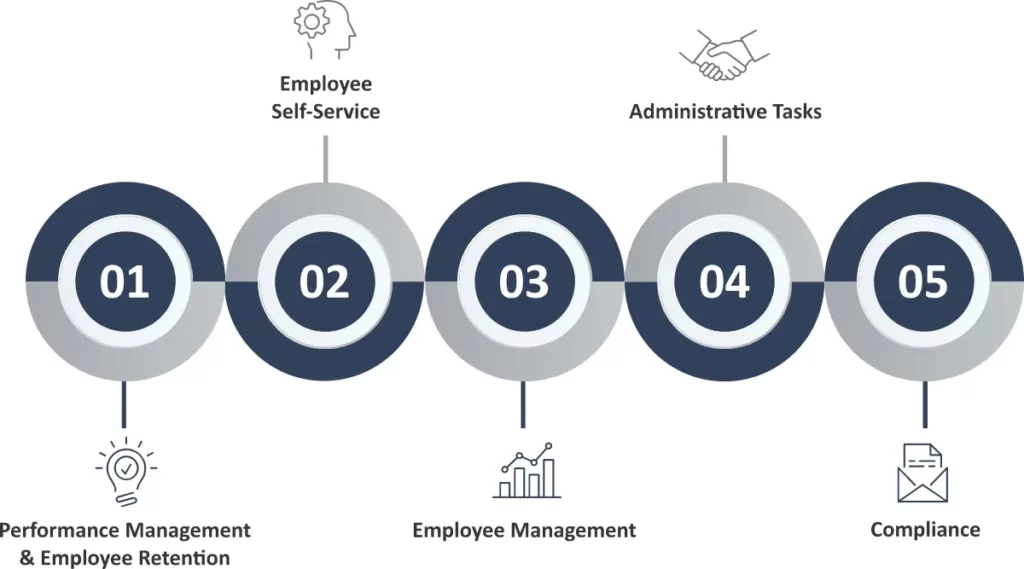
Figure 1: Performance Management Roadmap
The HR team led the rollout in two key phases. Phase One focused on customising core modules, including leave, attendance, time tracking, task management and the initial design of the performance management system. Phase Two, implemented between June and August 2024, involved conducting Initial Setup and Testing with staff on 27 May 2025, delivering In-Service Training on 21 August 2025 to launch the live modules and providing ongoing, hands-on support to help employees navigate and engage with the new system effectively.
One of the major challenges during implementation was the performance management module. The default system design did not reflect JPSA’s internal processes, values, or the Employee Engagement Policy. After several miscommunications with the service provider, the HR team took the lead in developing and publishing a comprehensive internal performance management tool.
This tool was designed to:
Align performance evaluations with employees’ job descriptions, core areas and competencies.
- Integrate methods such as SMART goals, STAR responses, and Portfolios of Evidence (POEs).
- Reflect strategic frameworks including the BaIanced Scorecard, King lV PrincipIes, and bonus procedures.
- Ensure performance assessments added measurable value to JPSA’s strategic objectives
To strengthen understanding and adoption, the HR team also produced a recorded training video, uploaded on the automated platform, providing staff with:
- Adetailed walkthrough ofhowthe tool works
- Practical guidance on howtoalign accomplishments with the business model
- Step-by-step explanations on howto reflect competencies and deliver results
- Clarification on how individual performance contributes to the broader success of the organisation.
This training was complemented by follow-up support by HR and embedded into onboarding materials and SOPS. On-the-spot training was also provided when necessary.

Figure 2: JPS Africa Performance Management Tool
All employees are required to use the automated Performance Management Tool to ensure standardised annual performance evaluations. The Portfolio of Evidence (POE) is uploaded on the platform for review by the line managerand HR.
Program Outcomes
- A fully customised, automated Performance Management System is now integrated across JPS Africa.
- A clear, user-friendly performance management tool was created, published, adopted and implemented as an official SOP.
- The recorded training video enhanced accessibility and understanding for all staff, regardless of location or Unit.
- Staff now align their performance goals directly to job descriptions, core functions, competencies, Business Model and strategic priorities.
- The new system encourages early engagement, promotes clarity and reduces last-minute submissions or misaligned reviews.
- The initiative supports the principles of JPS Africa’s Employee Engagement Policy – specifically empowerment, cla rity and accountability.
Conclusion
This intervention demonstrated that successful digital transformation required more than just a software rollout – it required vision, leadership and alignment with people and strategy.
Clear communication between service providers and internal teams was critical for effective system design and buy-in by staff. When the service provider’s off-the-shelf systems fell short, internal innovation – as demonstrated by the HR Officer’s development of the tool, could easily fill that gap. Supplementing systems
with training materials, such as recorded video guides, significantly improved user engagement. Strategic alignment between individual performance and organisational goals lead to a more focused, accountable and motivated workforce. The company Net Promoter Score was 95%.
Today, JPSA’s automated performance system is not only operational – it is a cornerstone of our employee development, internal progression process and strategic success.